Your Guide to Stroke Prevention: Insights from Dr. Shankar
While strokes can be sudden and life-altering, the good news is that many are preventable. You can take meaningful steps to protect your health with the right knowledge and proactive care.
Dr. Ananth Shankar, MD, EMBA, Cardiologist and Medical Director of Cardiology at Bronx Treatment Center, brings extensive experience in heart and vascular health. He has helped countless patients manage their cardiovascular risk and live healthier lives.
In this article, Dr. Shankar shares insight into what causes strokes and how to prevent them. Whether you have risk factors like high blood pressure or want to take better care of your heart, this guide is for you.
Understanding Stroke: A Silent Emergency
A stroke occurs when blood flow to a part of the brain is interrupted or reduced, preventing brain tissue from receiving the oxygen and nutrients it needs. When this happens, brain cells begin to die within minutes, leading to sudden and often severe symptoms.
Just as allergies result from the body’s response to specific triggers, strokes are often the result of underlying health conditions and lifestyle factors that place stress on your heart and blood vessels.
Dr. Shankar shares the most common types of strokes and the contributing risk factors:
Types of Strokes:
- Ischemic Stroke – This is the most common type, caused by a clot or obstruction in a blood vessel leading to the brain.
- Hemorrhagic Stroke – Caused by bleeding in the brain due to a ruptured blood vessel, often linked to uncontrolled high blood pressure.
- Transient Ischemic Attack (TIA) – Often called a “mini-stroke,” this is a temporary blockage that resolves quickly but is a serious warning sign for future strokes.
Common Risk Factors:
This is the #1 cause of stroke. It can silently damage blood vessels until a crisis occurs.
Leads to plaque buildup in arteries, restricting blood flow to the brain.
Increases stroke risk by accelerating damage to blood vessels.
An irregular heartbeat that can lead to clot formation and ischemic stroke.
Damages the vascular system and raises blood pressure.
These increase the risk of hypertension, diabetes, and high cholesterol.
The good news is that many of these risk factors can be managed through preventive care and lifestyle changes. At Bronx Treatment Center, we focus on early screening and education to reduce stroke risk across our community. By becoming aware of your risk and making small, consistent improvements to your health, you can reduce your chances of having a stroke.
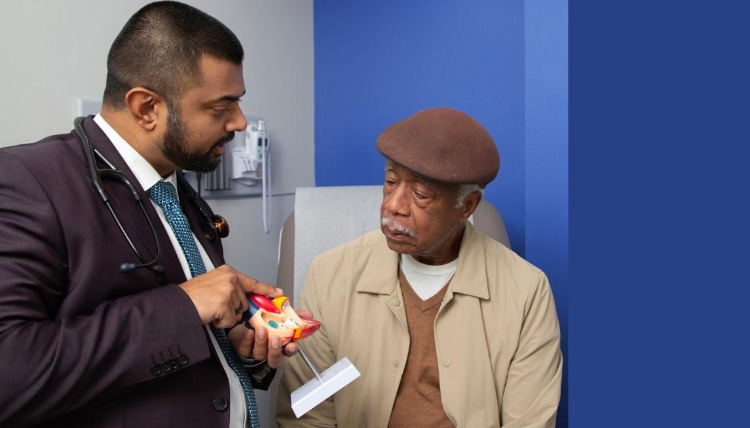
Stroke Prevention: What You Can Do Starting Today
While a stroke can happen suddenly, the steps to prevent one start well before any symptoms appear, often, most strokes are preventable with a combination of lifestyle choices, medical care, and monitoring your health.
Dr. Shankar outlines the steps you can take to ensure you are on the right track:Know your numbers. If it’s high, work with your doctor to bring it down through diet, exercise, or medication.
Just 30 minutes of moderate activity daily can improve circulation and heart health.
Reduce salt, sugar, and saturated fats. Increase fruits, vegetables, whole grains, and healthy fats.
Seek support if needed - your brain and heart will thank you.
Work with your healthcare provider to control blood sugar and heart rhythm.
Consistently, especially if you’re taking blood thinners, cholesterol medications, or blood pressure medications.
Recognizing Stroke Symptoms: Act FAST
When it comes to stroke, every second counts. The faster you recognize the signs and call for help, the greater the chance of survival and recovery. Knowing the FAST acronym is a simple way to remember the most common warning signs of stroke:
-
F – Face Drooping
Does one side of the face look uneven or feel numb? Ask the person to smile - does it appear lopsided? -
A – Arm Weakness
Is one arm weak or numb? Ask the person to raise both arms. Does one drift downward? -
S – Speech Difficulty
Is speech slurred or hard to understand? Can the person repeat a simple sentence correctly? -
T – Time to Call 911
If you notice any of these signs, even if they go away, call 911 immediately. Don’t wait - quick action saves lives.
Take Charge of Your Stroke Risk Today
Understanding the different types of strokes - ischemic, hemorrhagic, and transient ischemic attacks (TIAs) - is the first step in knowing how to protect your health. Each type presents unique dangers, but all share a common thread: early action saves lives.
The most common stroke risk factors, including high blood pressure, high cholesterol, diabetes, atrial fibrillation, smoking, and physical inactivity, can often be managed or even prevented with the right lifestyle choices and medical support. The encouraging news is that most strokes are preventable, and small changes today can lead to a healthier future.
As your local cardiology team, we’re not just here to treat disease - we’re here to prevent it. Whether you’re managing a known condition or simply want a checkup, we welcome you to take that first step.
Book your appointment today and let’s stop a stroke before it starts.

About Dr. Shankar
Dr. Ananth Adurthy Shankar, MD, EMBA, FACC, RPVI, is a board-certified cardiologist and the Medical Director of Cardiology at Bronx Treatment Center. He earned his medical degree from Maulana Azad Medical College, Delhi University, and completed his residency, chief residency, and cardiology fellowship at SUNY Upstate Medical University in Syracuse, NY. At BTC, Dr. Shankar leads a dedicated team in providing comprehensive cardiac care, emphasizing prevention, patient education, and the management of complex cardiovascular conditions.

Recent Posts